
Start here
Build your first agent team.
No prior experience assumed. Six steps, in the order Numen actually runs them — ending with the reason its output can be trusted.
Same model. Different mind.
Try it
The body never changes.
Click a mind. The agent does not get replaced — the light does. That is exactly what happens in the product: your agent's job, tools and gates stay put while the model behind it swaps.
Claude — Reasoning mind.

The idea
One agent. Many minds.
You do not build a different robot for every model. You build one agent — with a job, a set of tools, and rules it must obey — and then you choose which mind sits behind it. Swapping from one model to another does not rewrite your agent. It changes a setting.
The agent, its role, its contracts and its gates are constant. The mind is configuration.
docs/numen-core-beliefs.md
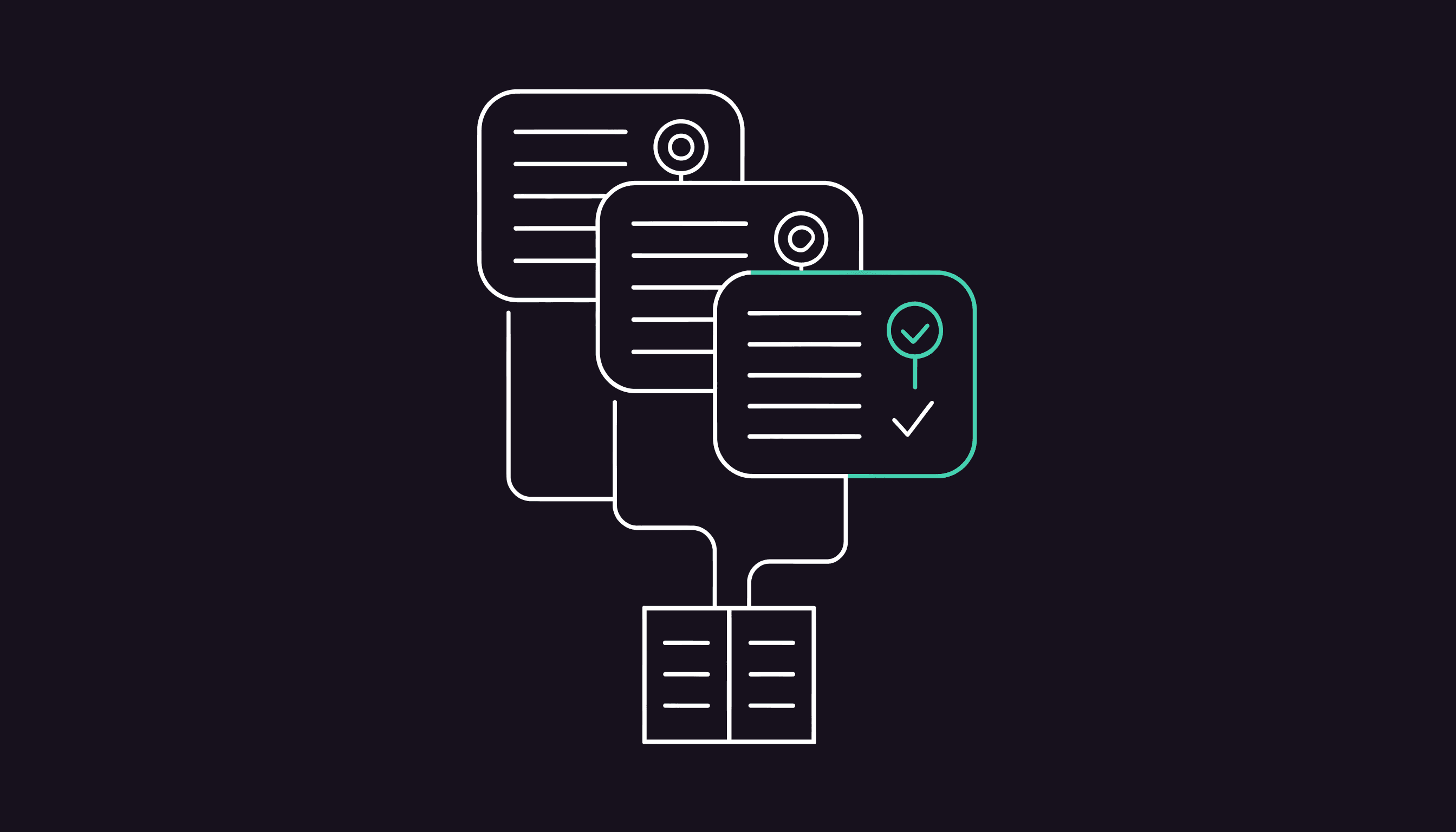
Core Belief 1
It looks things up before it builds.
Most AI tools start typing immediately and invent the details they do not know. Numen runs a research step first and writes down what it found — where each fact came from, what licence it carries, how well it fits. That written record is called the evidence ledger.
Research is a hard upstream dependency. The research step does not write prose — it finds things that already satisfy the contract.
docs/numen-core-beliefs.md

Core Belief 2
It starts from something that already works.
A blank page is the most expensive place to begin. Numen looks for an existing template, repo or component that nearly does the job, then adapts it as little as possible. Generating from scratch is the fallback, not the default.
Puzzle-first, not blank-page-first.
docs/numen-core-beliefs.md
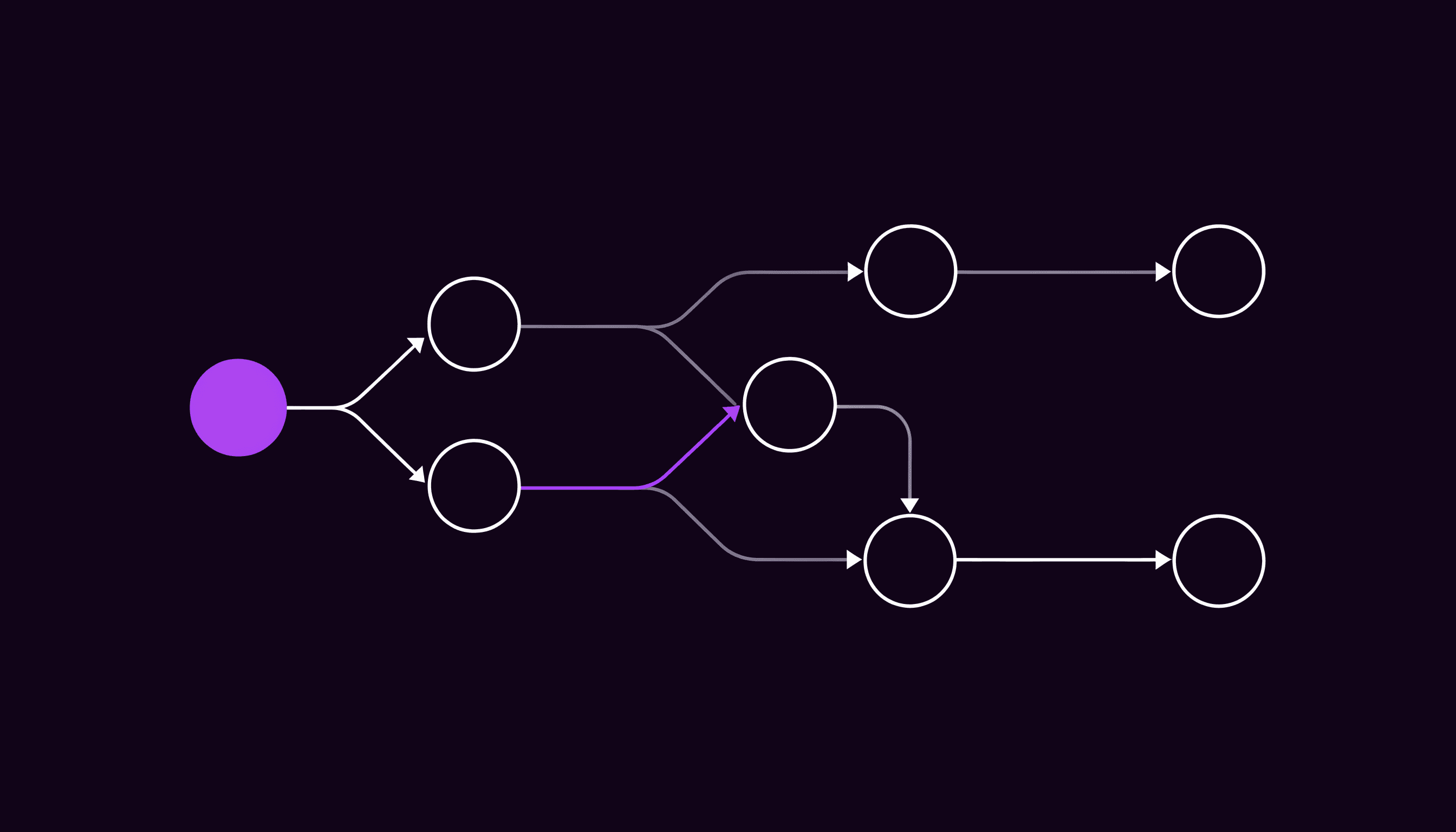
Core Belief 3
A planner turns your goal into a real plan.
Your instruction becomes a typed graph: each box is a task, each arrow is a dependency, and every box carries its budget, its tools, what it is allowed to touch, and how it will be checked. The graph is not a diagram of the work — it is the thing that runs.
The Planner is the single authority. The DAG controls execution, not merely describes it.
docs/numen-core-beliefs.md

Core Belief 4
Different jobs go to different minds.
Thinking is expensive; typing is cheap. So the strong, costly model plans the work and judges the result, while small fast models do the bounded pieces in parallel. One rule holds the whole thing together: whoever did the work is never the one who approves it.
Specialists on asymmetric edges. The reviewer cannot approve its own work.
docs/numen-core-beliefs.md
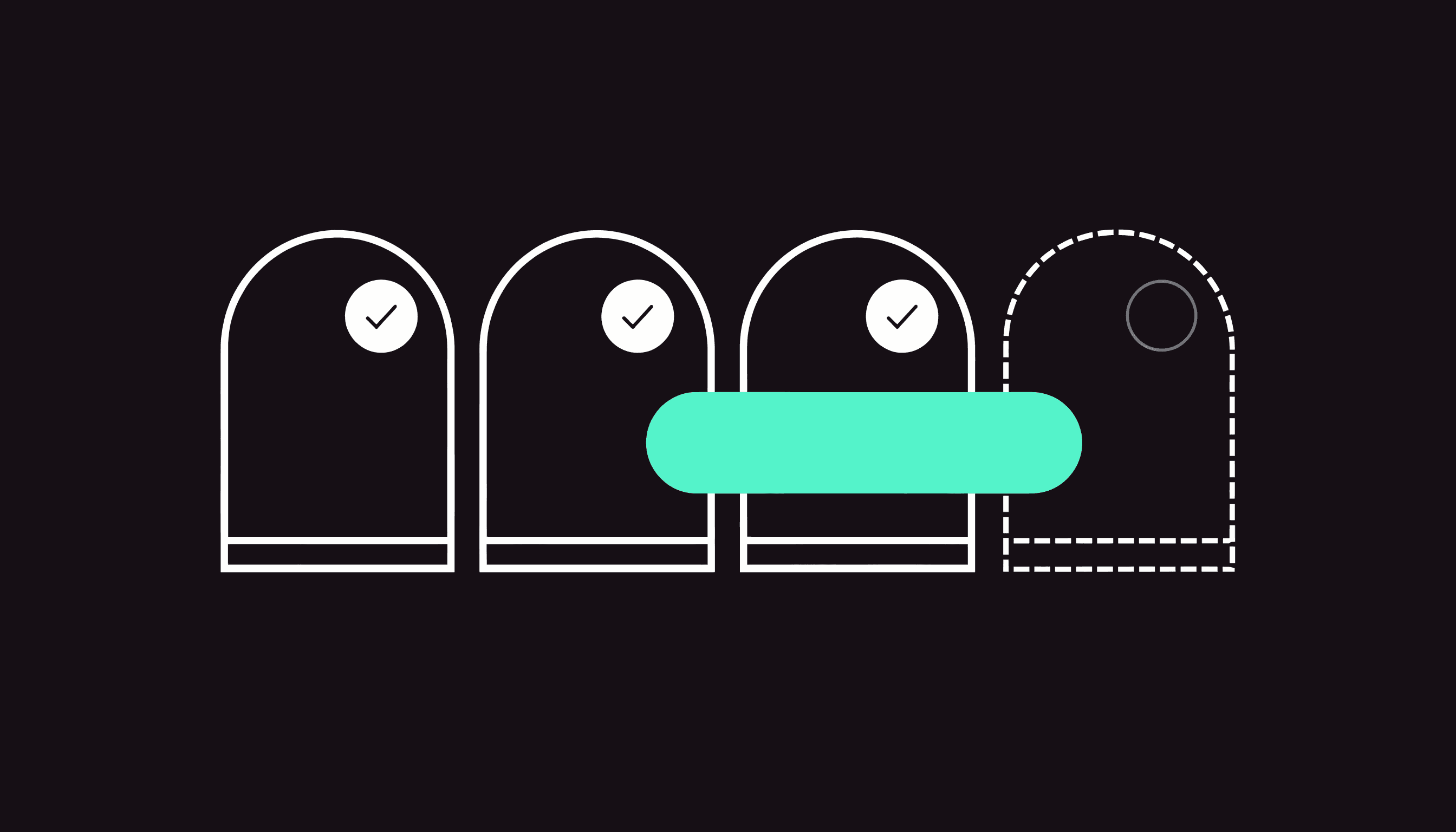
Core Belief 5
Nothing ships that has not been proven.
Every artifact has to pass gates — does it meet the requirements, does it render, does it behave. If a gate did not run, that is not a pass. It is recorded as unproven, and unproven does not ship. This is the whole answer to hallucination: not a better prompt, a refusal to call something done without evidence.
Evidence beats claims. A missing gate means "unproven," never "successful."
docs/numen-core-beliefs.md
Step 7
Give Numen a mind.
Set one environment variable and that mind is live. This panel is read from your server right now — it shows what this deployment can actually drive, not a wall of logos.
Now watch a team actually run.
The World Room renders the same graph you just read about — agents taking their nodes, handing artifacts across edges, and stopping at gates that have not passed.